
TECAN
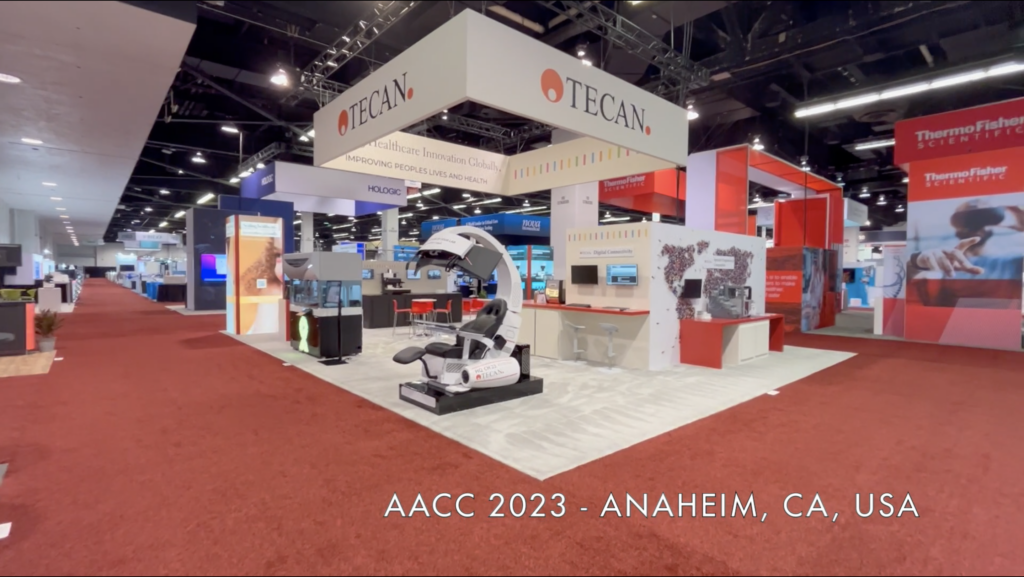
Creative Director: Waldo Tejada.Designers: Lauri G├â┬║zman & Jorge De Soto.Client: BTIG / TECAN ├é┬á Since 2022, RMT has crafted inspiring trade show experiences for TECAN Group AG, led by creative director Waldo Tejada. Our process transforms initial ideas into dynamic sketches, detailed layouts, and immersive 3D renderings that bring TECAN├óÔé¼Ôäós vision to life. With five booths attracting over 10,000 visitors, each design showcases TECAN├óÔé¼Ôäós latest technologies while reflecting its unique aesthetic. We blend creativity with precision, ensuring every booth offers a welcoming, memorable experience that resonates with├é┬áattendees. ├é┬á Schedule a one-hour free consultation to start working with your remote marketing team. https://youtu.be/5KHuz8M9Cgg?si=zK3JnLOSRFboSaPs
The Little Prince

Creative Director: Waldo Tejada.Designers: Lauri G├â┬║zman.Client: BTIG / The Little Prince In 2023, RMT was tasked with bringing The Little Prince to life in Miami, turning Antoine de Saint-Exup├â┬®ry’s beloved story into an unforgettable, immersive journey. Assigned by BTIG and CrewLife, our team├óÔé¼ÔÇØled by Waldo Tejada├óÔé¼ÔÇØovercame a tight timeline, multiple stakeholders, and a small crew to create a captivating, 360-degree immersive experience on a 137 ft-diameter and 45 ft-high Dome. With vibrant designs, intricate 3D modeling, and seamless coordination, we delivered an enchanting world that left audiences in awe, celebrating imagination and adventure in a one-of-a-kind installation. Schedule a one-hour free consultation to start working with your remote marketing team. https://www.youtube.com/watch?v=4NQNOSEUTd0https://www.youtube.com/watch?v=5PH5rhKch_k
Pantiga Branding

Creative Director: Waldo Tejada.Sr. Designer: Zane Burnett.Jr. Designer: Xavier Carrau.Client: Pantiga Group. Manuel Panitga, the founder and principal broker at Panitga Group, a real estate broker in NYC, contacted us in August 2020, for a rebrand of their image, to develop a marketing plan and to act as their ongoing marketing department. During the re-brand, RMT’s team used elements of Panitga’s existing brand and enhance the positive aspect of it while defining new styles and creating new marketing materials for the company like brochures, signage, stationary and more. Together we launched the new image in early May 2021 and are now executing a new marketing plan. ├é┬á Schedule a one-hour free consultation to start working with your remote marketing team. https://remotemarketingteam.com/wp-content/uploads/2023/09/PantigaGroup-Video-Presentation-Final.mp4#t=1https://remotemarketingteam.com/wp-content/uploads/2023/09/Pantiga-Grpup-Testimaonial.mp4#t=5
BTIG

Creative Director: Waldo Tejada Designers: Lauri G├â┬║zman Client: BTIG ├é┬á In 2023, RMT had the privilege of redefining BTIG’s brand identity. Under the leadership of Creative Director Waldo Tejada, our team crafted a distinctive brand strategy and assets for BTIG, a leader in major event productions with offices in New York, Miami, Spain, and the Dominican Republic. We embraced a sophisticated yet minimalistic design to encapsulate the essence of BTIG’s core values and vision. Our designers and web development team worked diligently to translate these concepts into marketing materials, including a fully integrated website, resulting in a cohesive and impactful├é┬ábrand├é┬ápresence. ├é┬á Schedule a one-hour free consultation to start working with your remote marketing team. https://remotemarketingteam.com/wp-content/uploads/2024/12/BITG-Rebranding.mp4
Emercery

Creative Director: Waldo Tejada Designers: Cynthia Capellan & Lauri G├â┬║zman Client: Emercery by Rosagna Hernandez ├é┬á ├é┬á In 2023, RMT had the privilege of redefining BTIG’s brand identity. Under the leadership of Creative Director Waldo Tejada, our team crafted a distinctive brand strategy and assets for BTIG, a leader in major event productions with offices in New York, Miami, Spain, and the Dominican Republic. We embraced a sophisticated yet minimalistic design to encapsulate the essence of BTIG’s core values and vision. Our designers and web development team worked diligently to translate these concepts into marketing materials, including a fully integrated website, resulting in a cohesive and impactful├é┬ábrand├é┬ápresence. ├é┬á Schedule a one-hour free consultation to start working with your remote marketing team. ├é┬á ├é┬á https://remotemarketingteam.com/wp-content/uploads/2024/09/Rosagna-Emercery-Branding.mp4
The Role of the CMO in the Age of Big Data: How to Make Data-Driven Decisions
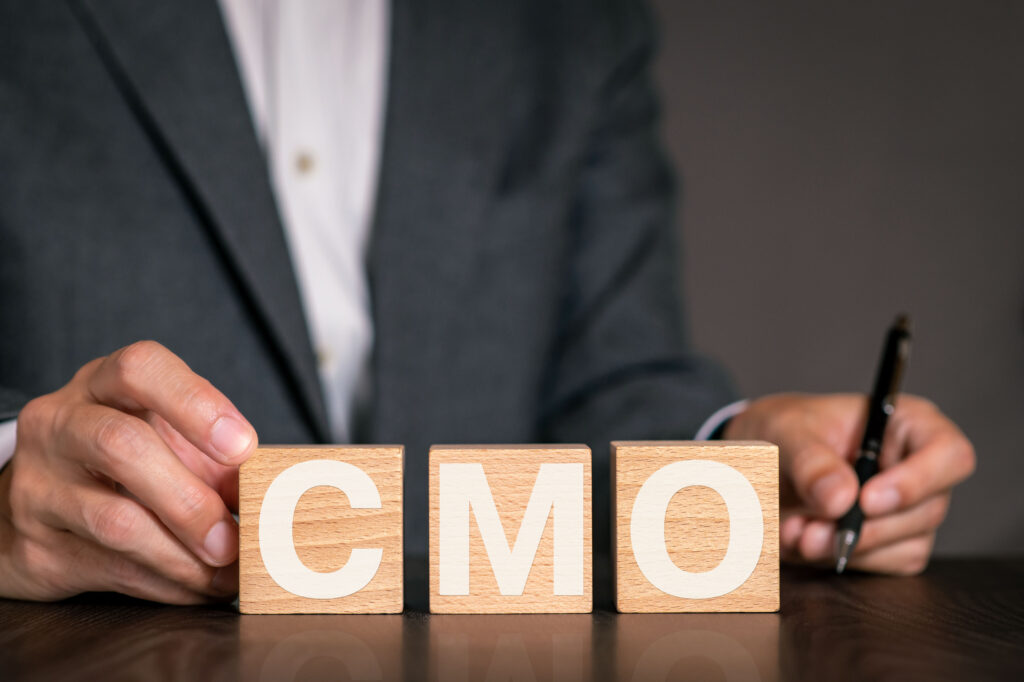
In today’s fast-paced digital landscape, the Chief Marketing Officer (CMO) role has evolved significantly. No longer just the brand steward or creative visionary, the CMO is now expected to be a data-savvy leader who can leverage big data to drive marketing strategies and enhance business outcomes. With the explosion of data generated from various channels, interpreting and acting on this information has become crucial. This article explores the multifaceted role of the CMO in the age of big data and provides actionable insights on how to make data-driven decisions that propel organizations forward. ├é┬á ├é┬á The Evolution of the CMO Role ├é┬á Historically, the CMO’s responsibilities centered on brand management and advertising. However, with the advent of digital marketing and the increasing volume of consumer data, the role has expanded to encompass strategic oversight of marketing technology, customer experience, and analytics. CMOs are now tasked with integrating data into their decision-making processes and utilizing advanced analytics to optimize marketing initiatives. ├é┬á ├é┬á The Shift Towards Data-Driven Marketing -Understanding Consumer Behavior: Modern consumers leave digital footprints that provide invaluable insights into their preferences, behaviors, and purchasing patterns. CMOs must understand these insights to tailor marketing strategies effectively. -Personalization: In an age where consumers expect personalized experiences, leveraging data allows CMOs to create targeted campaigns that resonate with specific audience segments. -Performance Measurement: Data enables CMOs to measure the effectiveness of marketing initiatives in real-time, allowing for agile adjustments to strategies and budgets. -Predictive Analytics: By utilizing predictive analytics, CMOs can forecast consumer trends and behaviors, enabling proactive marketing strategies rather than reactive ones. ├é┬á The Importance of Big Data in Marketing ├é┬á Big data refers to the vast volumes of data generated every minute from various sources, including social media, websites, e-commerce transactions, and more. This data can be categorized into three main types: ├é┬á -Structured Data: This is organized and easily searchable data, like customer demographics, transactional data, and sales figures. -Unstructured Data: This includes non-traditional data that needs a predefined format, such as social media posts, images, and customer reviews. -Semi-Structured Data: This data falls between structured and unstructured, such as XML files and JSON data. ├é┬á The ability to analyze and derive insights from these diverse data types empowers CMOs to make informed decisions that drive business growth. Key Benefits of Big Data for CMOs ├é┬á -Enhanced Customer Insights: By analyzing customer data, CMOs can comprehensively understand their target audience, leading to more effective segmentation and targeting. -Improved ROI: Data-driven marketing strategies allow organizations to allocate resources more effectively, optimizing campaign performance and maximizing return on investment. -Competitive Advantage: Organizations that leverage big data effectively can gain insights that their competitors may overlook, enabling them to stay ahead in the market. -Agility and Adaptability: Real-time data access allows CMOs to quickly adapt marketing strategies based on changing consumer behaviors or market dynamics. ├é┬á Making Data-Driven Decisions: A Step-by-Step Approach ├é┬á Step 1: Establish Clear Objectives Before data analysis, CMOs must establish clear marketing objectives aligned with the overall business goals. These objectives should be specific, measurable, achievable, relevant, and time-bound (SMART). For example, they increase brand awareness by 20% within six months or improve customer retention rates by 15% annually. ├é┬á Step 2: Identify Relevant Data Sources CMOs should prioritize the data sources that will provide the most valuable insights. Some key data sources include: Customer Relationship Management (CRM) Systems: Track customer interactions and sales data. Website Analytics: Monitor website traffic, user behavior, and conversion rates. Social Media Analytics: Analyze engagement metrics, audience demographics, and sentiment analysis. Market Research: Gather industry trends, competitor analysis, and consumer feedback. Step 3: Invest in the Right Tools and Technology CMOs must invest in the right marketing technology stack to effectively analyze big data. Tools such as data analytics platforms, CRM software, and marketing automation systems can help streamline data collection and analysis. Some popular tools include: ├é┬á -Google Analytics: For website performance tracking. -Tableau: For data visualization and reporting. -HubSpot: For inbound marketing and CRM integration. -Salesforce: For customer relationship management and analytics. ├é┬á Step 4: Build a Data-Driven Culture Fostering a data-driven culture within the marketing team is essential for success. CMOs should encourage team members to embrace data analysis and leverage insights in decision-making. ├é┬á This may involve: -Providing training and resources on data analysis tools. -Encouraging collaboration between data analysts and marketing professionals. -Celebrating data-driven successes to reinforce the importance of analytics. ├é┬á Step 5: Analyze and Interpret Data Once the data is collected, CMOs must analyze and interpret it to extract actionable insights. Key techniques include: -Descriptive Analytics: Analyzing past data to understand trends and patterns. -Diagnostic Analytics: Identifying the causes of specific outcomes or performance metrics. -Predictive Analytics: Using historical data to forecast future trends and behaviors. ├é┬á Step 6: Test and Optimize Campaigns Data-driven decision-making involves continuously testing and optimizing marketing campaigns. CMOs should implement A/B testing, multivariate testing, and other experimentation methods to identify the most effective strategies. This iterative approach allows for real-time adjustments based on data insights. ├é┬á Step 7: Measure Success and Iterate Finally, CMOs need to measure the success of their data-driven initiatives against the established objectives. Key performance indicators (KPIs) should be tracked, and insights should be used to refine future marketing strategies. This ongoing cycle of measurement and iteration ensures that marketing efforts remain aligned with business goals. ├é┬á ├é┬á The Challenges of Data-Driven Decision-Making ├é┬á While the benefits of data-driven decision-making are clear, CMOs may face several challenges, including: ├é┬á -Data Overload: The sheer volume of data can be overwhelming, making it difficult to identify relevant insights. -Data Silos: In many organizations, data is stored in separate systems, hindering collaboration and comprehensive analysis. -Skill Gaps: Marketing teams may need more skills to analyze and interpret complex data sets. -Privacy Concerns: Increasing regulations around data privacy require CMOs to navigate compliance while leveraging consumer data. ├é┬á Overcoming Challenges To address these challenges, CMOs can take proactive steps: ├é┬á -Implement Data Governance: Establish clear data management policies to
Russell Branding

Creative Director: Waldo Tejada.Sr. Designer: Jorge de Soto. Jr. Designer: Xavier Carrau.Client: Russell Real Estate Service. Jeff Russell, Owner, Broker, General Manager at Russell Real Estates Services, a real estate company in Ohio, USA, contacted us in October 2020 to rebrand their image, to develop a marketing plan. Since then, RMT is acting as their remote marketing department. The new updated branding reflects the evolution of our company since its founding in 1962. RMT’s team used Russell’s existing brand elements during the rebrand while enhancing its positive aspect and defining new styles. ├óÔé¼ÔÇ╣ The new branding will be a way for Russell Real Estate Services to continue connecting with agents and clients in the market. In addition, the new marketing materials add to the company’s repertoire of promotional tools with a newly refreshed logo, brochures, signage, stationery, social media templates, and email marketing templates. Together we launched the new image in early May 2021 and are now executing a new marketing plan. ├óÔé¼ÔÇ╣ Schedule a one-hour free consultation to start working with your remote marketing team. https://remotemarketingteam.com/wp-content/uploads/2023/09/Russell-Branding.mp4#t=1https://remotemarketingteam.com/wp-content/uploads/2023/09/Jeff-Russel.mp4#t=1.2
Say it with colors! A quick guide to color psychology for marketing.

This might be a simple question, but have you ever stopped and wondered, how do we perceive the world around us?
Lafeyette Branding

Creative Director: Waldo Tejada.Designer: Xavier Carrau. Client: Lafayette Estates / Pantiga Group. ├é┬á Pantiga Group, as the broker representing Lafayette Estates, contacted us to rebrand their client’s image and develop a marketing plan. RMT’s team used Lafayette Estates’ existing brand elements as inspiration during the rebrand while focusing on enhancing the property’s assets and defining new styles.├é┬á├óÔé¼ÔÇ╣The new branding will allow Pantiga Group to market the property in a contemporary light while appealing to prospective clients through well-thought-out graphics. In addition, the new marketing materials will allow Pantiga Group to promote Lafayette Estate with a new website, brochures, signage, stationery, social media templates, and email marketing templates. Together we launched the new image in early February 2021 and are now executing a new marketing plan.├é┬á ├óÔé¼ÔÇ╣ Schedule a one-hour├é┬áfree consultation├é┬áto start working with your remote marketing team.├é┬á https://remotemarketingteam.com/wp-content/uploads/2023/09/Lafayette-Video-Presentation-Final.mp4#t=2https://youtu.be/s_HX6aoQTZk?si=CnZA-1omW16zf4Zq
Spirit Club Website

The Ginocchio Group, directed by Gino Ginocchio, referred us to Spirit Club in March 2020. Gino’s client was looking to develop a new website for their multi-location Gyms servicing physical training for the disabled. We work hand in hand with the client to achieve a user-friendly site while attaining a new brand’s identity and aesthetics at the same time, improving accessibility. Gino joined our team as a creative director during this project.